
Expanding a manufacturing or industrial facility is a big move. It usually means your business is growing, demand is increasing, and your current space no longer supports your operations as it should. With expansion projects come complexity. The decisions made early on will directly impact the efficiency, cost, and long-term success of your expansion and, thus, your business. We’ve outlined seven key considerations before you break ground.
1. Start With Operational Goals, Not Just Space Needs
It’s easy to focus on square footage. More space can always feel like the first part of the solution, but the real question is: how that space will function?
Before planning an expansion, take a step back and ask: What inefficiencies exist in our current facility? Where are bottlenecks happening? And how will your operations evolve over the next 3 to 5 years? An expansion should solve problems, not just add space.
2. Plan Around Workflow and Efficiency
In manufacturing and industrial environments, layout is everything. How materials move through your space, how teams interact, and how equipment is positioned all directly impact productivity and your bottom line. A well-planned layout can improve efficiency immediately and prevent costly changes later.
Key things to take into consideration:
- Material flow from receiving to production to shipping
- Equipment placement and future flexibility
- Employee movement and safety
- Storage and inventory access
3. Understand Infrastructure and Utility Requirements
Expanding a facility means increased needs structurally and for utilities. It is about what supports the operation inside. It’s important to think through: How will our power capacity and distribution change? What will our new HVAC and ventilation requirements be? How about changes with compressed air, gas, or specialty systems? What will be our floor loads and structural needs?
4. Evaluate Site Constraints and Future Expansion
Your existing site will dictate what is possible. Before moving forward, consider: available land for expansion, zoning and setback requirements, parking and traffic flow, and whether there is access for deliveries and large vehicles.
It is also worth thinking beyond this project. If your business continues to grow, will this expansion support future phases? Planning for long-term growth now can save significant time and money later.
5. Prioritize Preconstruction and Early Collaboration
This is where successful projects are built. Preconstruction is not just about budgets and timelines. It is about aligning the entire team early to identify risks, solve problems, and make informed decisions.
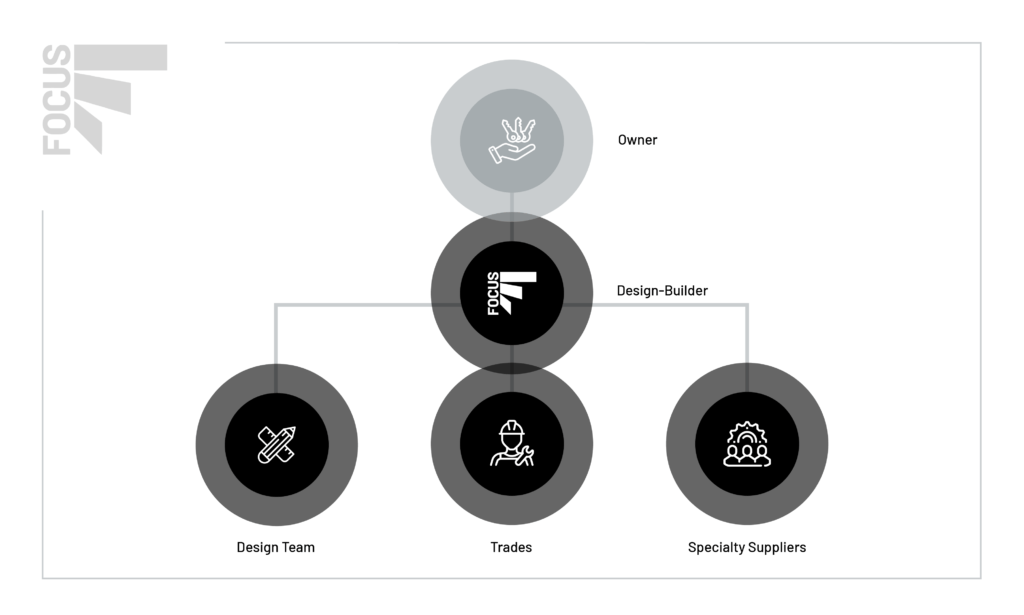
At Focus Design Build, this is a critical step in our process because it allows us to align scope with budget, build a realistic schedule, engage trade partners early, and identify potential challenges before construction begins. When done right, preconstruction creates clarity and confidence as you move into the build phase.
6. Plan for Business Continuity During Construction
Many industrial expansions happen while operations are still running, which adds another layer of complexity. Questions to consider: Will production continue during construction? How will safety be managed for employees and contractors? Are there phased construction options to minimize disruption? Having a thoughtful plan can help maintain operations while still moving the project forward efficiently.
7. Choose the Right Partner, Not Just the Lowest Price
Industrial projects require experience, coordination, and proactive problem-solving. Choosing a partner based solely on cost often leads to challenges later. The right team will help you: identify risks early, provide realistic budgets and timelines, and offer solutions that improve long-term performance. This is especially important in manufacturing environments where downtime and inefficiencies directly impact your bottom line.
A Smarter Approach to Expansion
Expanding your facility is more than a construction project. It is a strategic decision that impacts how your business operates and grows. At Focus Design Build, our process is built to support that:
- Focus: Understand your operations, goals, and challenges
- Discover: Explore solutions, identify risks, and plan strategically
- Succeed: Execute with clarity, efficiency, and alignment
This approach ensures your expansion is not just successful today, but supports your business into the future.
The earlier you think through these considerations, the smoother your project will be. An expansion should improve how your business operates, not create new challenges. If you are starting to think about expanding your facility, the best place to start is with a conversation. Let’s chat.